Residential Mold Inspection in Santa Barbara, CA
The short answer: A residential mold inspection is a room-by-room check of your home for mold and the moisture feeding it, done by an inspector who does not sell cleanup. Musty smell, a growing ceiling stain, a bathroom wall that never dries: this visit finds the source and puts it in writing. Inspection-only, 24 hours a day. Call (805) 765-0923.
Inspection-Only
Written Report With Photos
24-Hour Service
Quick facts
What Does a Residential Mold Inspection Include?
It covers every place a home hides moisture, in the order water moves through a house:
Wet rooms first:
bathrooms, kitchen, laundry room and water heater closet, checked under sinks, around tubs and showers, and behind toilets. The water heater closet and the laundry hookup are the two hardest working wet spots in a small older home, and the two places homeowners open least.
Stacked bathrooms:
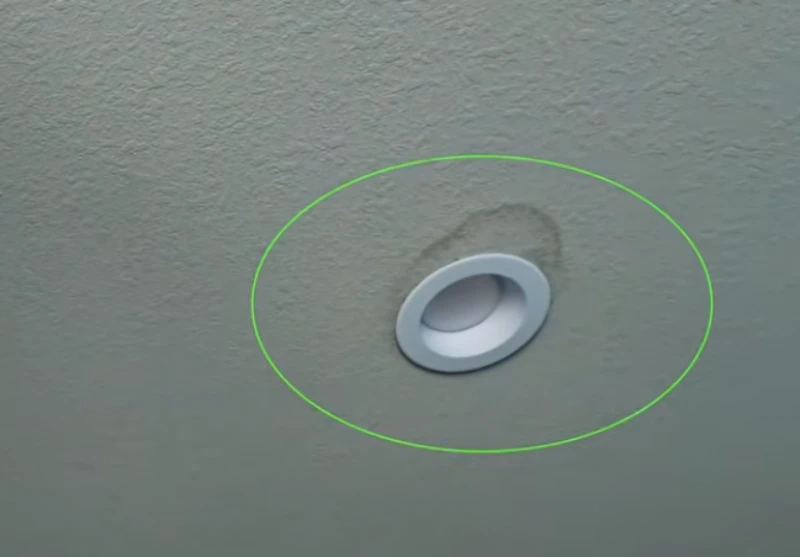
in older two-story homes here, the upstairs tub drain is the first place we check when a ceiling stain appears below a bathroom, ahead of the roof.
Attic:
roof leaks and stained sheathing. Under a tile roof, the leak you see is rarely under the tile that failed; winter rain gets under cracked underlayment, travels, and shows up as a stain two rooms away.
Crawlspace:
in the old post-and-pier cottages, the crawlspace tells the truth about a house: hillside drainage, plumbing drips and standing moisture all show up down there before they show up in a bedroom.
Moisture mapping:
meters and thermal imaging across suspect walls. A moisture meter set for drywall will misread thick stucco and old plaster, so the wall type gets identified before any number in the report is trusted.
Sampling, only when it adds information:
air and surface samples for a lab when nothing is visible, the source is unclear, or a sale or dispute needs documentation.
When Does a Home Need a Mold Inspection?
Book one when any of these show up:
On symptoms: the CDC says exposure to damp and moldy environments may cause a stuffy nose, sore throat, coughing or wheezing, burning eyes or a skin rash in some people, and people with asthma or a mold allergy may react more strongly. We are inspectors, not doctors, but we can tell you if your home has the problem.
On leaks, the EPA advises drying wet materials within 24 to 48 hours after a leak or spill to prevent growth in most cases.
Should You Get a Mold Inspection Before Buying a Home?
Yes, during your contingency window, if the home has a musty odor, staining, a leak history or a past mold problem. A general home inspection is not a mold inspection: a general inspector covers the whole house in a few hours, and a stain or smell gets one line among hundreds.
Buyers of a home with a mold history ask: if it was cleaned up properly, is it gone for good? Remediation done right, with the moisture source fixed, holds. Remediation that only cleaned what showed tends to come back. An independent inspection tells you which house you are buying.
Should You Inspect for Mold Before Listing Your Home?
Yes. Mold is named on California’s seller disclosure form. Mold is printed on California’s own seller disclosure form, so the seller who inspects before listing answers that question with a report instead of a guess.
The law does not make you hunt for mold you do not know about, but once you know, you disclose.
Who Has to Fix Mold in a California Rental?
The landlord, once the landlord has notice of the problem. Under Civil Code Section 1941.7, a landlord in California must repair a mold problem in a rental after being notified, unless the tenant’s own conduct caused it.
Most households in Santa Barbara rent, and the line tenants hear most is that the smell is just coastal air; a written inspection report is what ends that argument. A tenant’s report proves notice. A landlord’s report scopes the repair.
The law behind it: under SB 655, visible mold growth is a substandard housing condition in California when it endangers the people living there, as determined by a health officer or code enforcement officer. Dampness in habitable rooms is on the same list, even without visible mold. Minor mold on surfaces meant to get wet, like shower walls, is expressly excluded.
Is Mold Testing Necessary If You Can See the Mold?
Usually not. The EPA states that in most cases, if visible mold growth is present, sampling is unnecessary. The EPA also sets no federal limits for mold, so no lab result can stamp a home safe or unsafe.
Testing earns its cost when nothing is visible but smell or symptoms say a problem is hiding, when the source is unclear, or when a sale or dispute needs lab documentation. When we sample, indoor results are compared against an outdoor baseline. A store-bought kit can do none of this. It shows spores exist, which is true in nearly every home, and leaves you with the only question that matters: where is the water coming from?
Not sure what is growing in your home? Get it in writing.
Why Does Inspection-Only Matter?
Because a company that also sells cleanup earns more when it finds more. Homeowners and landlords say it bluntly: they do not trust a company that tests for mold and also sells the remediation. We only inspect. Our report cannot grow into a remediation invoice, because we do not write one.
Why Santa Barbara Homes Grow Mold
Three local reasons, and they compound. The housing stock is old: half the homes in this city were standing before 1966, which means a lot of Santa Barbara bathrooms are still drained by pipes that were installed when the house was new.
The walls hide it. In the Spanish Revival homes rebuilt after 1925, the plaster is thick enough to feel bone dry on the surface while the wall behind it is still holding moisture.
The air feeds it. A moisture reading taken at eight in the morning under the marine layer and one taken at noon on the same wall can tell two different stories, so we note the hour and the conditions with every reading. Through May Gray and June Gloom, homes breathe damp air for weeks, and rooms that never dry are where growth starts.
What Does a Home Mold Inspection Cost?
These are national market ranges reported by homeowners and inspectors. They are not a quote for your home.
| Basic inspection with 2 to 3 samples | $250 to $325 |
| Inspection with 4 samples and a full written report | $500 to $600 |
| Each additional sample | $65 to $100 |
Call (805) 765-0923, describe your home, and you will get a straight figure before anyone comes out.
What Happens After the Inspection?
You get a written report: photos, moisture readings with locations, lab results when sampling was done, and the moisture source behind every finding.
The water problem gets fixed first, always. Then the growth is removed; professional remediation follows the ANSI/IICRC S520 standard, now in its 2024 edition. Verification afterward should be independent, not done by the cleanup company. The EPA gives the reason in one line: clean up the mold without fixing the water problem, and the mold problem will most likely come back.
Frequently Asked Questions
Do I need an inspection if I can already see the mold?
You may not need a test. The EPA says sampling is usually unnecessary when growth is visible. An inspection answers what a look cannot: how far it extends, what feeds it, and whether it has spread into walls, attic or crawlspace.
Is a mold inspector licensed in California?
No. California has no state license or certification for mold work, according to the California Department of Public Health. Inspectors hold national certifications instead, such as ACAC or NORMI credentials.
Can a DIY mold test kit replace an inspection?
No. A kit shows that spores exist, which is true indoors and outdoors almost everywhere. It cannot find the moisture source or give you a report a landlord, seller, escrow file or insurer will accept.
I rent. Does my landlord have to fix mold?
In California, visible mold that endangers occupants is a substandard housing condition, and the landlord’s duty to repair begins once the landlord has notice of it. A written inspection report is the clearest form of notice there is.
Talk to a Local Inspector
If your home smells musty, a stain is spreading, or escrow is ticking, get it inspected and in writing. Call (805) 765-0923. We answer 24 hours a day, and we only inspect.