Commercial Mold Inspection in Santa Barbara, CA
INSPECTION ONLY — NO REMEDIATION TO SELL
A commercial mold inspection is a documented investigation of a business property for visible mold and the moisture feeding it. We walk the building, measure moisture, and take lab samples only where a result would change a decision. You get a written report that names the source of the water and the next step. We inspect only. We do not clean, remove, or repair mold, and we earn nothing from the firms that do. We answer 24 hours a day at (805) 765-0923.
✓ Inspection only, no cleanup to sell ✓ Independent lab results ✓ 24-hour phone line
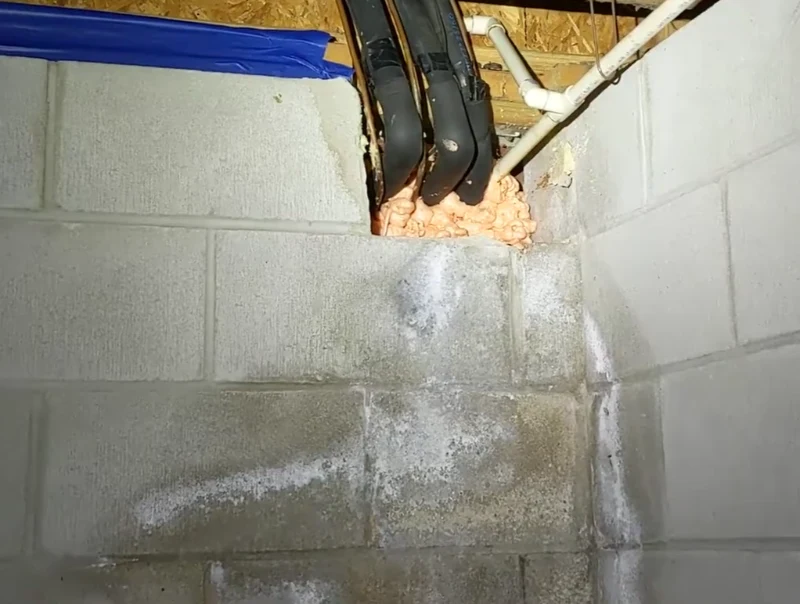
Inspection only. No remediation to sell.
A cleanup company that offers a free look is writing an estimate for its own work. That is not the same as a report you can hand to a tenant, an insurer, or a buyer. Our report has one job: state what we found, where the water is coming from, and what should happen next. Because we sell nothing after it, the findings do not grow or shrink with a sales target. Owners, tenants, managers, and brokers can all rely on the same document.
When a Santa Barbara business needs one
After a leak, flood, or storm
Once the water is stopped and drying has started, and before walls are closed back up.
A tenant or employee complaint
A musty smell, staining, or symptoms that ease when they leave the building.
Before you buy, lease, or renew
While there is still time in the deal to act on findings.
After a cleanup
Before you pay the final bill, the check should come from a firm that did not do the work.
When two sides disagree
That argument is settled by readings and photos, not opinions.
What a commercial mold inspection includes
We start with questions: leak history, past repairs, complaints, and any earlier reports. Then we walk the whole property, roof line to ground floor: envelope, suites, back of house, storage, and mechanical rooms. Moisture meters and thermal imaging show us which walls, floors, and ceilings are wet right now, including water hiding behind finishes. We check the HVAC side too: coils, drain pans, and condensate lines are steady moisture sources in coastal buildings. Sampling comes last, and only where it changes a decision. If growth is already visible, the U.S. Environmental Protection Agency says sampling is usually not needed; fix the water and clean the growth. Where a sample earns its cost, we use the right one for the question: air samples compare a room with outdoor air taken the same day, surface and tape samples name what is growing on a material, and all samples go sealed, with a chain of custody, to an independent lab.
| Sample type | What it tells us | When we use it |
| Air sample (spore trap) | Compares the air in a room with outdoor air taken the same day | A dispute needs documented counts, or a cleanup needs checking |
| Surface swab | Names what is growing on one specific surface | Growth is visible but the type matters for the report |
| Tape lift | Reads growth on a surface exactly where it sits | Delicate or finished surfaces that should not be disturbed |
| Bulk sample | A small piece of the material itself goes to the lab | Drywall, insulation, or carpet must be identified for a claim or a scope |
Buildings we inspect across Santa Barbara
Hotels and motels
In a Santa Barbara hotel, guest bathrooms stack floor over floor, so a slow supply line leak in one room often shows up first as a stain in the room below. We work floor by floor so guest areas stay open.
Restaurants and cafes
On the State Street Promenade, the front of a restaurant can look spotless while the dish area, ice machine line and soda lines stay wet all shift at the back.
Funk Zone tasting rooms and working wineries
In the Funk Zone, a tasting room may sit inside a warehouse built for storage, so we check the walls where new restrooms and cold rooms were cut into the old shell. A working winery is a wet place on purpose during washdown, so the job there is to find the spot that never dries between wet days, not to chase every damp reading.
Downtown offices, retail, and paseo buildings
Downtown, a shop in a paseo can take water from a courtyard drain that no single tenant owns, so the report has to name the shared source and not just the wet shop.
Goleta warehouses and industrial units
Out in Goleta, many units pair a small office front with open warehouse space behind it, and growth hides behind racking and stored boxes long after the office smells clean.
Multi-family buildings and HOA common areas
In a multi-family building here, the fight is often over one shared laundry or water heater room, so we sort common area water from water that started inside one unit.
Moisture problems we look for first
May Gray and June Gloom keep mornings damp here long after the rain stops, so a wall that reads fine at noon can still be holding moisture from the night. A lot of downtown buildings went up after the 1925 quake with thick plaster and stucco, and those walls can feel dry in the room while the wood behind them stays wet after a roof leak. We also check the steady indoor sources: condensate lines that clog every cooling season, ice machines, walk-in coolers, dish areas, and laundry rooms.
We answer 24 hours a day.
California rules, in plain words
There is no California or federal number for how much mold is allowed in a building. The California Department of Public Health looked at setting science-based exposure limits and concluded they could not be set, so no honest report can pass or fail your building against a spore count.
Under Cal/OSHA, Title 8 section 3362 covers sanitation in workplaces, and your Injury and Illness Prevention Program under Title 8 section 3203 must give employees a way to report hazards and must correct uncontrolled water indoors. Write down every complaint, the date, and what you did.
For landlords: Senate Bill 655 treats endangering mold as a substandard condition in dwellings, hotels, motels, and apartments. It does not cover offices, shops, or warehouses; there, duties sit in the lease and in workplace rules. For a small retail tenant, the lease may put the roof on the landlord and the pipes in the suite on the tenant, so our report names the source in plain words both sides can point to.
One more fact that surprises people: California has no state license or certification just for mold inspection, per the California Department of Public Health, so judge an inspector by training, lab independence, and the quality of the report. This section is general information, not legal advice.
Your report, and what happens next
The report lists:
- ✓ Scope of the visit, and its limits
- ✓ Moisture readings by location
- ✓ Photo log
- ✓ Sample map
- ✓ Lab results with chain of custody
- ✓ The source finding, in plain words
- ✓ A cleanup scope your own remediation firm can price from
If the building is clean and dry, the report says that too, and it is worth keeping for your files, your insurer, and your next lease.
After cleanup work, we can come back for clearance testing: a visual check, new moisture readings, and samples where they help, compared against outdoor air from the same day, done by us because we did not do the cleanup.
What it costs
Price turns on the size of the building, the number of suites and HVAC zones, how many samples earn their cost, lab fees, and whether we work after hours so you can stay open.
| Building | Published market range |
| Small office or retail unit | $500 to $1,500 |
| Larger or multi-tenant building | $1,500 to $3,500 or more |
Those are published national market ranges, not our prices. After a short call about your building, we quote a fixed figure before we come out.
Questions owners and managers ask us
Do you also remove the mold?
No. We inspect and test only. That split is the point: the firm that finds the problem should not be the firm paid to fix it.
We can already see mold. Do we still need testing?
Usually no. Visible growth needs the water fixed and the growth cleaned. Samples earn their cost when they settle a dispute, document what is growing, or check a cleanup.
An employee reported a musty smell. What should we do first?
Write it down with the date, look for the water source, and call us. A reported hazard needs a documented response, even if the answer turns out to be a dirty drain pan.
Who pays, the landlord or the tenant?
In a commercial lease, the lease decides, and the deciding fact is usually the source. A report that names the source in plain words is what both sides use.
Will your report hold up for an insurer or a lease dispute?
It is built for that: dated photos, readings by location, lab paperwork with chain of custody, and findings stated without a sales interest behind them.
How fast can you come out?
We answer 24 hours a day, and we can schedule around your operating hours so the business stays open.
Book your inspection
If you own or manage a business property in Santa Barbara, Goleta, Montecito, or Carpinteria and something smells musty, looks stained, or has been wet, call (805) 765-0923. To book a commercial mold inspection, tell us the building type, the size, and what you have seen or smelled, and we will take it from there. Inspection only, plain language, and a report you can hand to anyone.