Mold Testing Santa Barbara
Mold testing can answer a specific question about a property, but testing is not always the first step.
If you see visible mold, have an active moisture problem, or already know where water is getting into the building, a mold inspection may tell you more than a sample alone. EPA and California Department of Public Health guidance both note that visible mold and obvious moisture problems generally do not require routine mold sampling.
When testing is appropriate, the useful question is not simply, “Is there mold?”
The better question is:
What do we need the test to tell us?
That question determines where a sample should be collected, which sampling method makes sense, and how the laboratory result should be interpreted with the rest of the property findings.
Do You Need Mold Testing or a Mold Inspection?
Mold inspection and mold testing are related, but they are not the same thing.
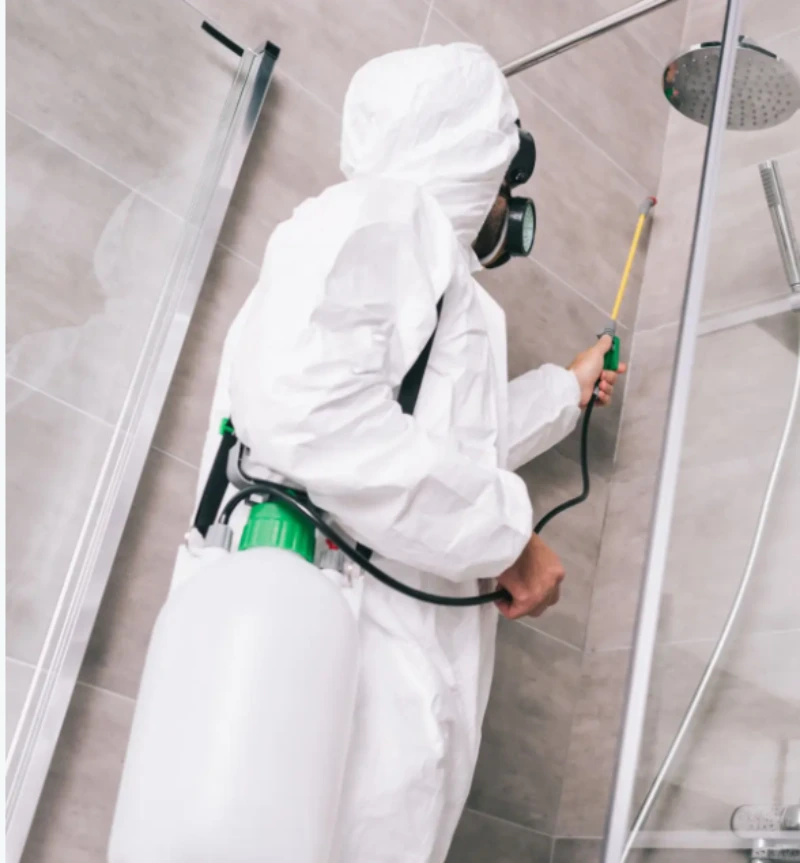
An inspection looks at the property. The inspector looks for visible mold, moisture, water damage, conditions that can support mold growth, and areas where a hidden problem may exist.
Testing collects a sample from a specific location or from the air and sends it for laboratory analysis.
EPA states that routine sampling is generally unnecessary when visible mold is already present. Sampling can have a role when the source is unclear, when a specific question needs to be answered, or when checking certain remediation work.
That is why we do not treat every mold concern as a reason to collect samples.
100+ ReviewS
Licensed & Certified
100% Satisfied clients
When Mold Testing Can Help
You Have a Musty Odor but Cannot Find the Source
A musty smell can warrant further investigation when there is no obvious source. The first step is usually checking for moisture in areas such as plumbing, bathrooms, kitchens, walls, ceilings, HVAC systems and crawl spaces. If the source remains unclear, targeted sampling may help answer a specific question. Testing should not replace inspection, and an air sample only represents conditions at the time and location of sampling.
There Was a Leak or Water Damage
A leak can affect drywall, flooring, cabinets, insulation and other materials. The first step is determining where the water went and whether materials remain damp. Moisture meters and other tools can identify areas needing closer inspection. Thermal imaging may help locate moisture-related temperature differences, but it does not prove mold is present. Sampling may be considered if a specific area remains in question.
Suspected Behind a Wall
During mold testing Santa Barbara inspections, mold may be suspected behind walls, particularly in older homes or areas with previous moisture problems. Hidden mold can occur behind drywall, wallpaper, ceilings, flooring and other concealed areas. EPA notes that hidden mold investigations may require professional experience and specialized inspection methods.
You Need Information Before Buying or Selling a Property
A home purchase can raise questions about previous leaks, water stains, musty odors, plumbing problems or repaired areas. A mold testing Santa Barbara assessment can help investigate these conditions before a property decision. Testing may be appropriate when inspection alone cannot answer a specific question.
You Are Checking Work After Mold Remediation
After remediation, the focus changes to whether the affected area was properly cleaned, visible mold or debris remains, moisture has been controlled, and the source was addressed. EPA emphasizes visual inspection and correcting the moisture source. Air sampling is not normally the only way to evaluate remediation, although surface sampling may sometimes help assess whether an area was adequately cleaned.
You Have a Specific Question That Inspection Alone Cannot Answer
Mold testing is most useful when there is a clear question to answer. An old water stain with no current moisture, an unexplained odor, or a specific concealed area may require different investigation methods. Sampling should be targeted to the concern rather than treated as a complete inspection of the property.
What Does Mold Testing Tell You?
Mold testing can provide laboratory information about a collected sample.
Depending on the sampling method, the laboratory may identify or report mold structures, types or concentrations found in that sample.
But a laboratory result is only one part of the investigation.
There are no EPA federal standards that establish a general safe or unsafe airborne mold concentration.
California Department of Public Health also states that mold testing does not tell you whether there is a health problem and does not establish recommended unhealthy levels for particular mold spore concentrations.
That means a mold report should not be reduced to a simple number followed by “safe” or “unsafe.”
The useful interpretation comes from looking at the sample location, property conditions, moisture history, visible findings and the question the testing was intended to answer.
Our Mold Testing Methods
Air Mold Testing
Air sampling collects airborne particles during a defined period. Outdoor samples may sometimes provide comparison information. Results are only a snapshot because conditions can change with humidity, temperature and air movement. The sample location matters and does not prove an entire property is mold-free.
Surface Swab Testing
A swab sample collects material from a specific suspect surface for laboratory analysis. It can help investigate a particular area without unnecessary disturbance. The result applies only to the sampled material and does not automatically describe other surfaces in the room or building.
Tape Lift Testing
Tape lift sampling uses clear adhesive tape to collect material from a suspect surface. It can help determine whether material is mold or identify fungal material present. The result represents only the location sampled and should not be generalized to other surfaces or areas.
Wall Cavity Testing
When mold or moisture is suspected inside a wall, inspection may include moisture readings, thermal imaging or targeted sampling. Hidden mold can occur behind drywall and other concealed materials. A wall cavity sample addresses a specific concern and does not test every wall or hidden area.
HVAC Mold Testing
HVAC areas may need closer inspection when there is a specific concern involving the system or nearby components. The investigation can include accessible equipment, moisture conditions and visible suspect material. Sampling may be considered when it can answer a specific question about the HVAC area.
Clearance Testing After Mold Remediation
Post-remediation assessment involves more than laboratory testing. The area should be visually checked, moisture problems addressed and affected materials evaluated. Visible mold, dust and debris should not remain. When testing is appropriate, the method and sampling locations should match the project.
How Our Mold Testing Process Works
The inspectors whose field processes we studied repeatedly describe starting with the client’s concerns, reviewing the property’s history, inspecting accessible areas, looking for moisture and then selecting sampling methods based on what they find.
We Review the Property History
We first understand why you called, including leaks, flooding, musty odors, water stains, repairs or previous remediation. These details help identify where the investigation should focus.
We Check for Moisture
Moisture is a key part of mold investigations. Moisture meters and thermal imaging may help identify areas needing closer inspection. These tools do not prove mold by themselves.
We Document and Submit Samples
Each sample is identified by its location and purpose before being submitted for laboratory analysis. Proper documentation helps give the laboratory result useful context.
We Inspect Before Sampling
We inspect accessible areas such as bathrooms, kitchens, plumbing areas, walls, ceilings, attics, crawl spaces and HVAC areas. We look for visible mold, water damage, damp materials and other concerns.
We Select the Right Sample
Sampling depends on the specific question. Air samples may be used for airborne concerns, while swabs, tape lifts or targeted wall investigations may be appropriate for specific surfaces or concealed areas.
We Explain the Results
We review laboratory results alongside the property’s history, moisture conditions, visible findings and sample location. A result applies to the area tested and does not automatically represent the entire property.